What is M.2?
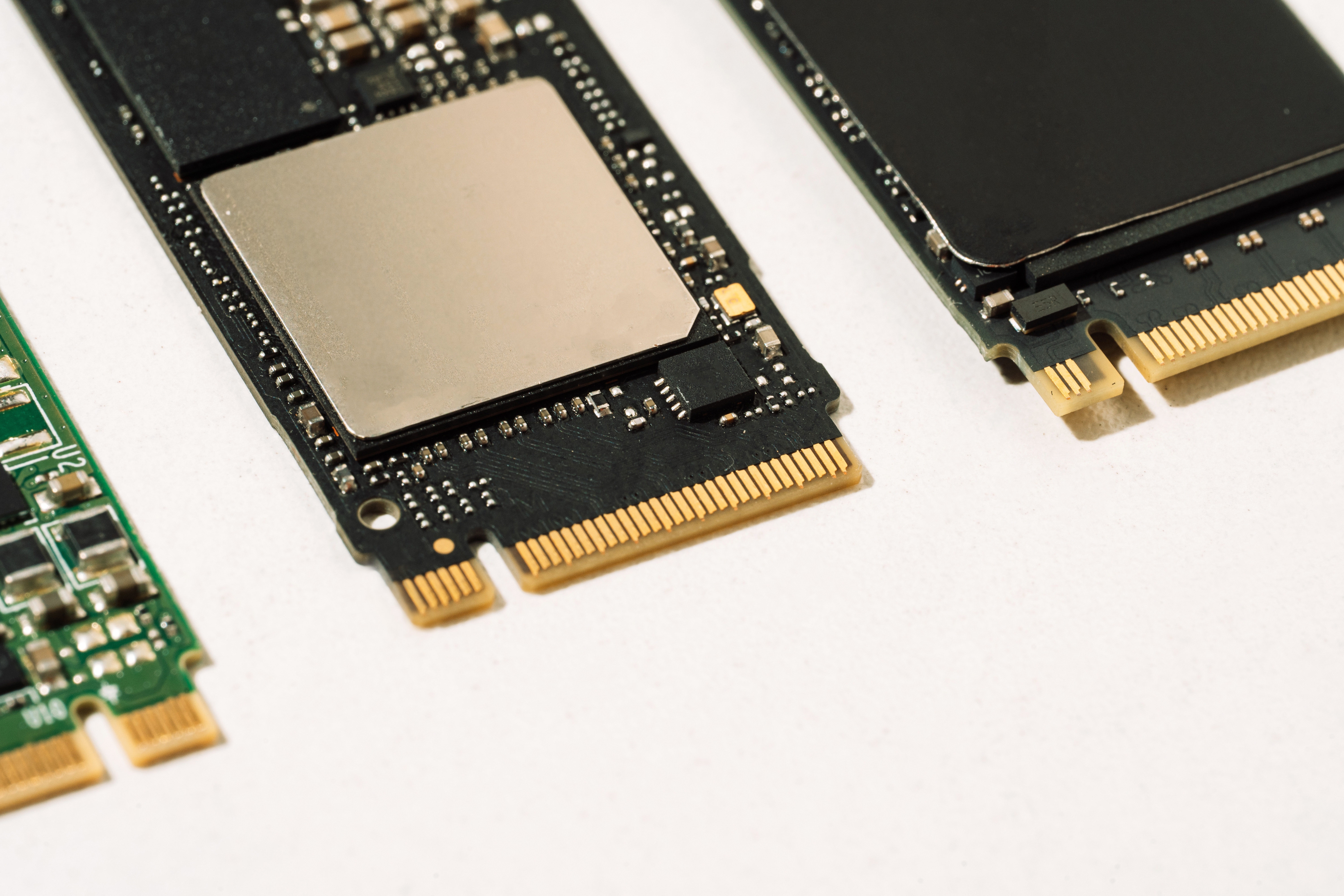
M.2 is a connector and form factor standard designed for compact expansion modules. Developed as a successor to the mSATA interface, M.2 enables both space-saving designs and high-speed data communication. Today, it is widely used for SSDs as well as Wi-Fi, Bluetooth, LTE, and 5G communication modules. In the PC industry, M.2 has become the de facto standard interface for high-performance storage devices.
1. What is the M.2 Standard?
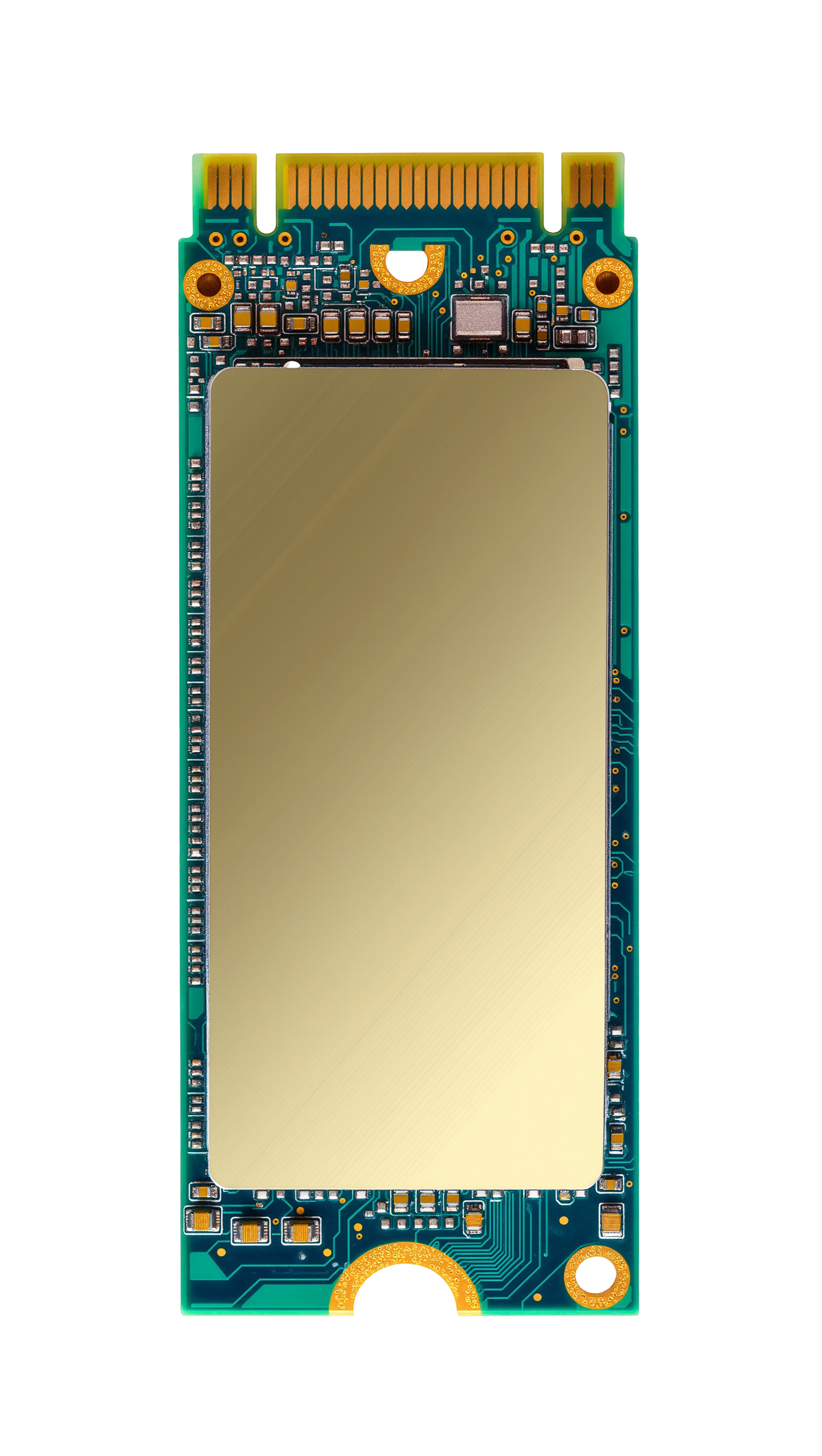
M.2 is a compact expansion module standard used in PCs, industrial equipment, and embedded systems. Compared to the older mSATA standard, M.2 offers greater flexibility and supports multiple interface types, including PCIe and SATA.
M.2 modules are used in a wide range of applications, including:
SSDs (Storage Devices)
Wi-Fi / Bluetooth Modules
LTE / 5G Communication Modules
Various Expansion Modules
As demand for high-speed processing of large volumes of data continues to grow, M.2 adoption has expanded significantly, particularly in SSD applications.
2. M.2 Key Types and Main Applications
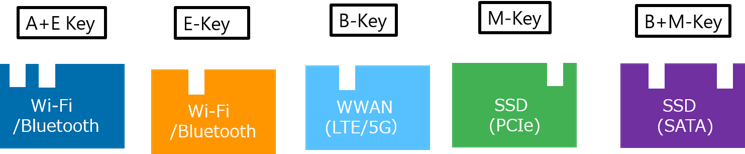
The M.2 specification defines different notch configurations, known as Keys, to prevent incorrect insertion and distinguish between module types. The Key configuration determines which interfaces and modules can be used.
The major Key types are:

A+E Key / E Key
Commonly used for Wi-Fi and Bluetooth communication modules.
B Key
Used for SATA SSDs and WWAN modules such as LTE and 5G devices.
M Key
Widely adopted for PCIe (NVMe) SSDs. Designed to support high-speed data transmission.
B+M Key
Compatible with both B-Key and M-Key sockets. Frequently used for SATA SSDs.
Even though modules may share the same M.2 form factor, different Key configurations are not always interchangeable.
| Key configuration | Main usage |
|---|---|
| A+E Key | Wi-Fi, Bluetooth |
| E-Key | Wi-Fi, Bluetooth |
| B-Key | WWAN (LTE/5G), SATA SSD |
| M-Key | PCIe/NVMe SSD |
| B+M-Key | SATA SSD |
3. M.2 Form Factor Sizes
Among these, 2280 is the most widely used size for SSDs in desktop and notebook PCs.
Because supported module lengths vary by device, compatibility should always be verified before installation.
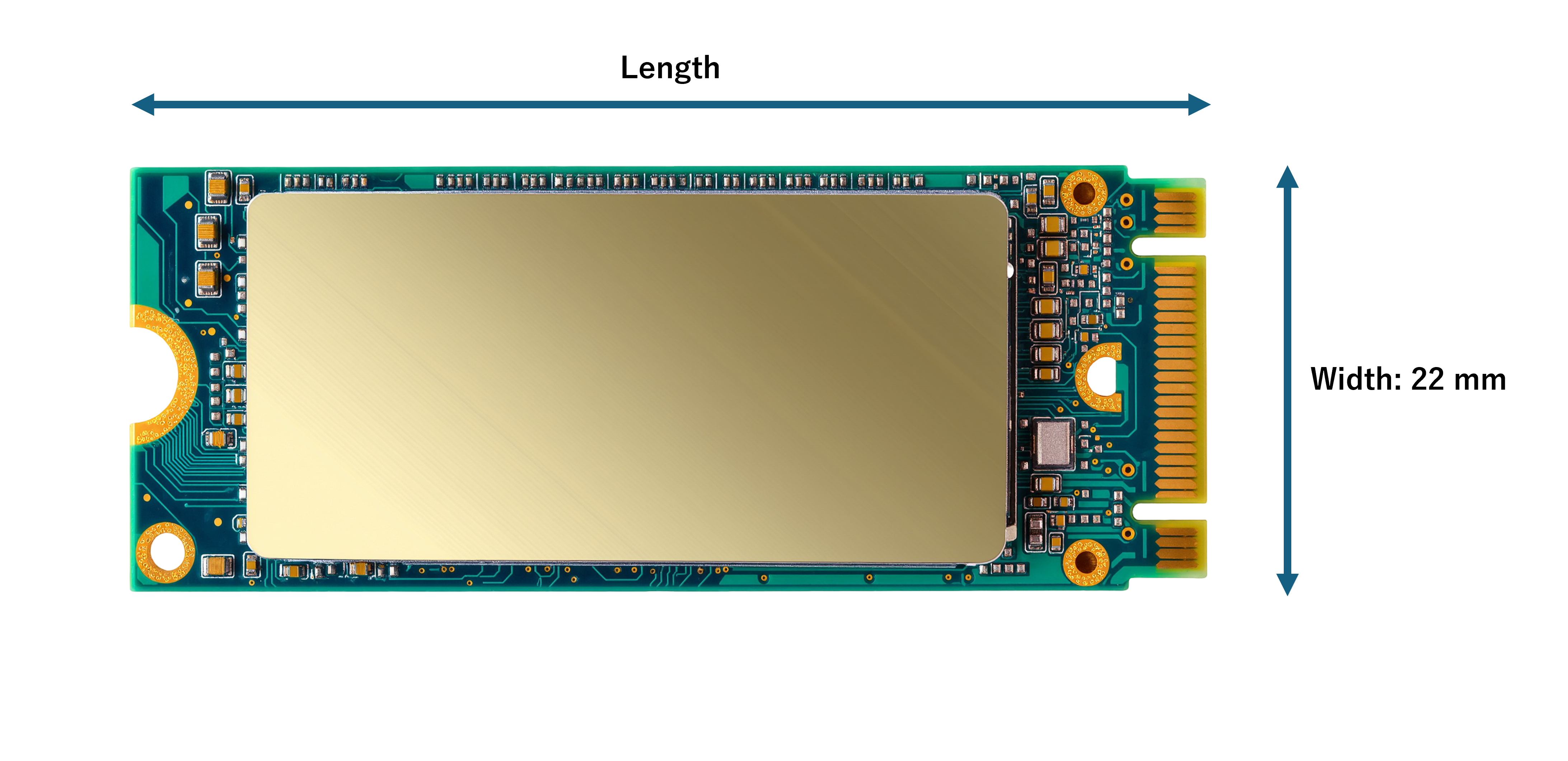
For example, 2280 means:
22 = 22 mm width
80 = 80 mm length
Common M.2 sizes include:
2230
2242
2260
2280
22110

Among these, 2280 is the most widely used size for SSDs in desktop and notebook PCs.
Because supported module lengths vary by device, compatibility should always be verified before installation.
4. Key Considerations When Selecting an M.2 Connector
When choosing an M.2 connector, the following four factors should be evaluated:
Key Configuration
Verify compatibility between the connector and the target device, such as B-Key or M-Key.
Interface Type
SATA and PCIe (NVMe) devices may not be compatible with the same socket, so interface verification is essential.
Module Size
Confirm supported dimensions, such as 2230, 2242, or 2280, according to the host device specifications.
Application
The required connector differs depending on whether the module is intended for SSD storage, Wi-Fi, LTE/5G communications, or other applications.
5. Recommended I-PEX Products for M.2 Applications
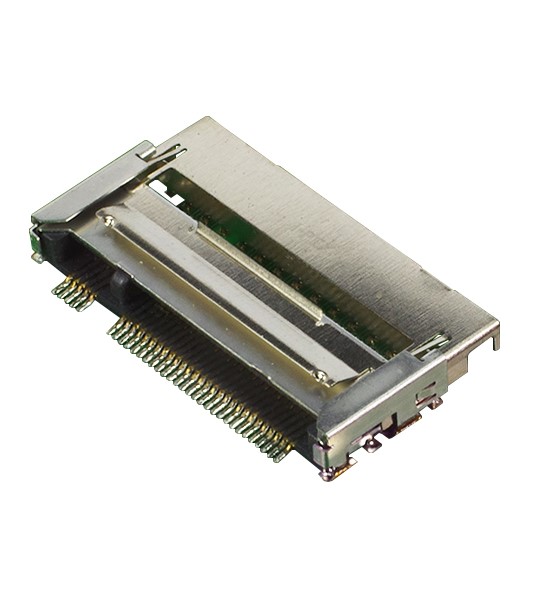
SX-M2
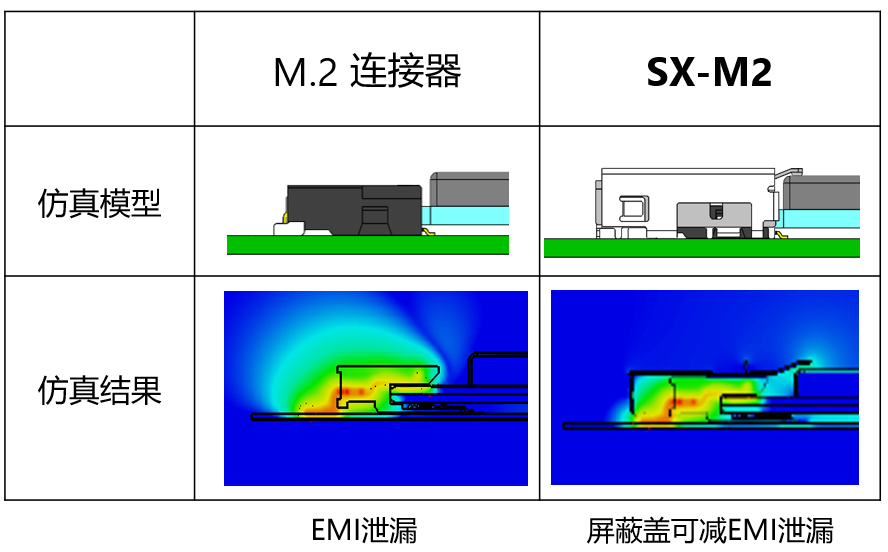
The SX-M2 Series is a shielded M.2 connector designed for SSD applications. It supports
high-speed data transmission and provides stable, reliable connectivity.
|
|
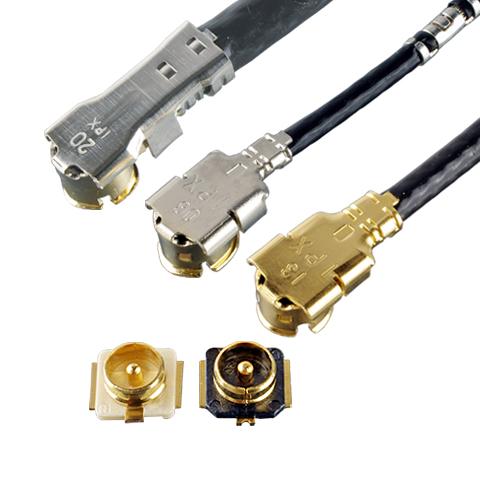
MHF® 4L
MHF® 4L is widely used as an antenna connector for M.2 communication modules, including Wi-Fi, LTE, and 5G devices. It features a compact design and excellent high-frequency performance.
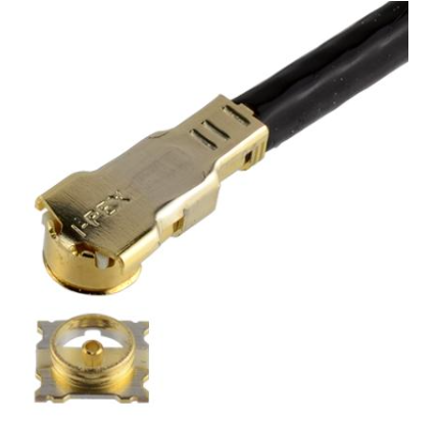
MHF® 7S
MHF® 7S is an antenna connector for Wi Fi 6E/7 and 5G millimeter-wave devices. Its fully shielded design provides excellent EMC performance and superior high-frequency transmission characteristics, supporting frequencies up to 15 GHz.

Conclusion
M.2 has become a widely adopted expansion module standard for both SSDs and communication modules by enabling compact designs and high-speed performance. To select the right solution, it is important to understand three key aspects of the M.2 ecosystem:
Key configuration
Interface type
Form factor size
By choosing the appropriate M.2 connector for the intended application, designers can maximize system performance, reliability, and overall product value.